Tratamientos
Explora tratamientos y procedimientos médicos. Encuentra especialistas cualificados en Globalthy.
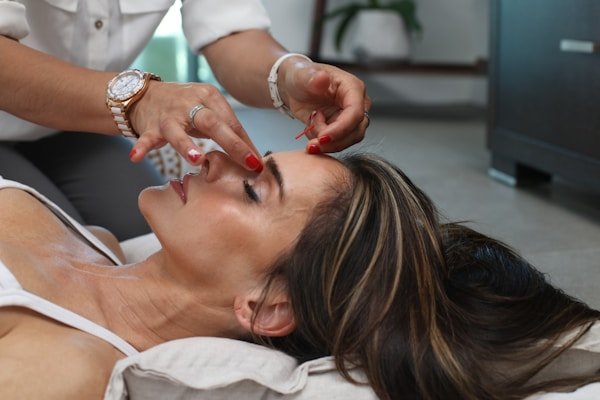
Acupuncture
## Overview **Acupuncture** is an ancient Chinese medical practice inserting thin needles into specific body points to stimulate healing and restore balance. Recognized by the **WHO** for numerous conditions. ## How It Works 1. **Needle insertion** — Fine sterile needles at acupoints 2. **Neurological response** — Endorphin and serotonin release 3. **Inflammatory modulation** — Anti-inflammatory effects ## Evidence-Based Indications | Condition | Evidence | WHO | |-----------|----------|-----| | Chronic low back pain | Strong | Yes | | Migraine prevention | Strong | Yes | | Knee osteoarthritis | Moderate | Yes | | Nausea (post-op) | Strong | Yes | ## Treatment Session - **Duration**: 30-60 minutes - **Frequency**: 1-2 times weekly - **Course**: 6-12 sessions - **Sensation**: Mild tingling ("De Qi") > Modern research suggests acupuncture works through neuromodulation, affecting pain processing pathways in the spinal cord and brain. ## Safety - **Very safe** when performed by licensed practitioners - Minor: bruising, soreness - Serious complications extremely rare

Cognitive Behavioral Therapy
## Overview **Cognitive Behavioral Therapy (CBT)** is a structured, goal-oriented psychotherapy that focuses on identifying and modifying **dysfunctional thought patterns**, beliefs, and behaviors. It is one of the most extensively researched and evidence-based forms of psychotherapy. ## Core Principles 1. **Cognitive restructuring** — Identifying and challenging negative automatic thoughts 2. **Behavioral activation** — Increasing engagement in positive activities 3. **Exposure therapy** — Gradual confrontation of feared situations 4. **Skills training** — Developing coping and problem-solving strategies ## Evidence-Based Applications | Condition | Evidence Level | NNT | |-----------|---------------|-----| | Major Depression | Strong | 3-4 | | Generalized Anxiety | Strong | 3 | | Panic Disorder | Strong | 2-3 | | PTSD | Strong | 3-4 | | OCD | Strong | 3 | | Social Anxiety | Moderate | 4-5 | | Insomnia (CBT-I) | Strong | 2 | ## Session Structure - **Duration**: 50-minute sessions - **Frequency**: Weekly - **Course**: 12-20 sessions typically - **Format**: Individual or group ## Therapeutic Techniques - **Thought records** — Documenting and analyzing cognitive distortions - **Behavioral experiments** — Testing beliefs through real-world experience - **Graded exposure** — Systematic desensitization hierarchies - **Mindfulness integration** — Present-moment awareness skills - **Homework assignments** — Between-session practice > CBT is unique among psychotherapies in that it has been shown to produce lasting changes in brain function, particularly in the prefrontal cortex and amygdala, demonstrating neurobiological as well as psychological improvement.
Hormone Replacement Therapy
## Overview **Hormone Replacement Therapy (HRT)** is a medical treatment used to supplement the body with hormones that are no longer produced in sufficient quantities, most commonly **estrogen** and **progesterone** during menopause. ## Types of HRT | Type | Hormones | Route | Indication | |------|----------|-------|------------| | Combined HRT | Estrogen + Progesterone | Oral/Patch | Women with uterus | | Estrogen-only | Estrogen | Oral/Patch/Gel | Post-hysterectomy | | Testosterone | Testosterone | Injection/Gel | Male hypogonadism | | Bioidentical | Custom blends | Various | Personalized therapy | ## Benefits 1. **Vasomotor symptom relief** — Hot flashes and night sweats 2. **Bone protection** — Prevents osteoporosis-related fractures 3. **Urogenital health** — Reduces vaginal dryness and UTI risk 4. **Mood stabilization** — Alleviates anxiety and depression ## Monitoring Protocol - **Baseline labs** — Hormone panel, lipids, liver function - **Follow-up at 3 months** — Symptom assessment and dose adjustment - **Annual review** — Risk-benefit reassessment - **Mammography** — Annual screening while on therapy > Current evidence supports HRT initiation within 10 years of menopause onset for maximum cardiovascular and bone benefit with minimal risk. ## Contraindications - History of breast cancer - Active liver disease - Unexplained vaginal bleeding - History of blood clots (VTE) - Active cardiovascular disease
Hyaluronic Acid Injections
## Overview **Hyaluronic Acid (HA) Injections** are a viscosupplementation treatment that involves injecting hyaluronic acid directly into joints to improve lubrication, reduce pain, and enhance mobility in patients with **osteoarthritis**. ## Mechanism of Action - **Viscosupplementation** — Restores synovial fluid viscosity - **Anti-inflammatory** — Reduces joint inflammation markers - **Chondroprotective** — May protect remaining cartilage - **Analgesic** — Direct pain reduction properties ## Treatment Protocol | Parameter | Details | |-----------|---------| | Injection site | Intra-articular (knee, hip, shoulder) | | Frequency | 3-5 weekly injections per course | | Guidance | Ultrasound-guided for accuracy | | Duration of effect | 6-12 months | | Retreatment | Can be repeated every 6-12 months | ## Indications 1. **Knee osteoarthritis** — Most common and well-studied application 2. **Hip osteoarthritis** — Emerging evidence 3. **Shoulder arthritis** — Glenohumeral joint 4. **Ankle osteoarthritis** — Limited but positive data ## Advantages Over Corticosteroids - Longer duration of pain relief - No cartilage degradation risk - Can be repeated safely - Better long-term joint health outcomes > Hyaluronic acid injections are particularly beneficial for patients who have not responded to conservative treatments like physical therapy and oral medications, or who wish to delay joint replacement surgery. ## Post-Injection Care - Avoid strenuous activity for **48 hours** - Ice application for swelling - Mild soreness is normal for 1-2 days - Full benefit realized after completing the injection series
Insulin Therapy
## Overview Insulin Therapy is a **critical treatment** for managing blood glucose levels in patients with **Type 1 and Type 2 diabetes**. It involves the administration of exogenous insulin to compensate for the body's inability to produce or effectively use its own insulin. ## Types of Insulin | Type | Onset | Peak | Duration | Examples | |------|-------|------|----------|----------| | Rapid-acting | 15 min | 1-2 hrs | 3-5 hrs | Lispro, Aspart | | Short-acting | 30 min | 2-3 hrs | 6-8 hrs | Regular insulin | | Intermediate | 1-2 hrs | 4-12 hrs | 12-18 hrs | NPH | | Long-acting | 1-2 hrs | None | 24+ hrs | Glargine, Detemir | ## Administration Methods 1. **Subcutaneous Injection** — Most common method using syringes or pens 2. **Insulin Pump** — Continuous subcutaneous delivery 3. **Inhaled Insulin** — Rapid-acting for mealtime coverage ## Monitoring Requirements - **Blood glucose monitoring** (4-8 times daily for intensive therapy) - **HbA1c testing** every 3-6 months - Regular assessment for hypoglycemia symptoms - Injection site rotation to prevent lipodystrophy > Proper insulin storage, injection technique, and dose timing are essential for achieving optimal glycemic control. Patient education is a cornerstone of successful insulin therapy. ## Key Considerations - **Hypoglycemia risk** — Most common side effect - **Weight gain** — May occur with initiation - **Dose titration** — Requires gradual adjustment based on glucose patterns - **Sick day management** — Special protocols needed
Laser Skin Resurfacing
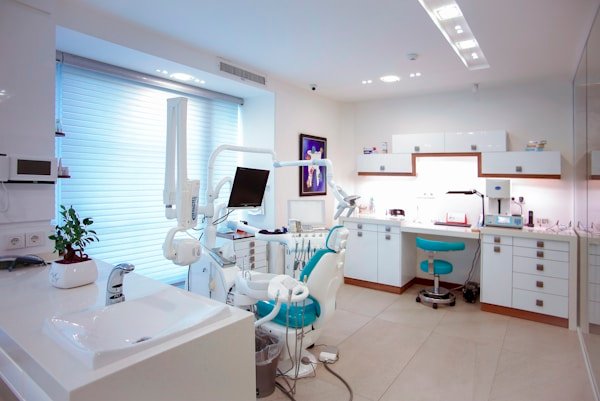
## Overview **Laser Skin Resurfacing** is an advanced dermatological treatment that uses concentrated beams of light to improve skin texture, tone, and appearance by removing damaged outer layers and stimulating collagen production. ## Types of Laser Resurfacing ### Ablative Lasers - **CO2 Laser** — Gold standard for deep wrinkles and scars - **Erbium YAG** — Precision treatment with faster healing ### Non-Ablative Lasers - **Fractional Laser** — Treats micro-columns of skin, leaving surrounding tissue intact - **Nd:YAG** — Safe for darker skin tones ## Treatable Conditions | Condition | Laser Type | Sessions | Results | |-----------|-----------|----------|---------| | Fine lines & wrinkles | CO2/Fractional | 1-3 | Excellent | | Acne scars | Fractional CO2 | 3-6 | Very Good | | Sun damage/age spots | Erbium/IPL | 2-4 | Excellent | | Melasma | Fractional | 4-8 | Good | | Skin laxity | CO2/RF combo | 1-2 | Good | ## Treatment Process 1. **Consultation** — Skin assessment and treatment planning 2. **Preparation** — Topical anesthesia applied 30-60 minutes prior 3. **Treatment** — Laser passes over target areas (15-45 minutes) 4. **Recovery** — Cooling and protective dressing applied > Laser resurfacing triggers the body's natural wound healing response, producing new collagen and elastin fibers that result in smoother, firmer, younger-looking skin. ## Recovery Timeline - **Days 1-3**: Redness, swelling, oozing - **Days 4-7**: Peeling and crusting - **Weeks 2-4**: Pink skin, gradual fading - **Months 1-3**: Full collagen remodeling ## Contraindications - Active acne or skin infections - History of keloid scarring - Recent isotretinoin use (within 6 months) - Pregnancy or breastfeeding

Mindfulness-Based Stress Reduction
## Overview **Mindfulness-Based Stress Reduction (MBSR)** is an 8-week evidence-based program combining **mindfulness meditation**, **body awareness**, and **yoga** to manage stress, pain, and illness. ## Program Structure | Week | Focus | Practice | |------|-------|----------| | 1-2 | Body awareness | Body scan meditation | | 3-4 | Mindful movement | Gentle yoga, walking meditation | | 5-6 | Stress reactivity | Sitting meditation, breath work | | 7 | Integration | Full-day silent retreat | | 8 | Maintenance | Developing personal practice | ## Core Techniques 1. **Body Scan Meditation** — Systematic awareness of physical sensations 2. **Sitting Meditation** — Focused attention on breath and thoughts 3. **Mindful Yoga** — Gentle movements with present-moment awareness 4. **Walking Meditation** — Contemplative slow walking practice ## Evidence-Based Benefits - Reduced perceived stress and anxiety - Improved emotional regulation - Better sleep quality - Decreased chronic pain intensity - Enhanced immune function > MBSR teaches participants to relate to their experience with curiosity and openness rather than judgment.

Nutritional Counseling
## Overview **Nutritional Counseling** is a personalized therapeutic approach where registered dietitians work with patients to develop **evidence-based dietary plans** that address specific health conditions, optimize nutrition, and promote long-term wellness. ## Assessment Process 1. **Dietary history** — Comprehensive food intake analysis 2. **Anthropometric measurements** — BMI, body composition 3. **Lab review** — Nutritional biomarkers, metabolic panel 4. **Lifestyle evaluation** — Activity level, sleep, stress ## Common Indications | Condition | Dietary Focus | Duration | |-----------|--------------|----------| | Diabetes (T2) | Carb counting, glycemic index | Ongoing | | Cardiovascular disease | DASH/Mediterranean diet | 6-12 months | | Obesity | Caloric deficit, macros | 12+ months | | Celiac disease | Gluten-free education | Initial + follow-up | | Eating disorders | Meal planning, relationship with food | Long-term | | Renal disease | Protein/potassium/phosphorus limits | Ongoing | ## Counseling Methods - **Motivational interviewing** — Building intrinsic motivation - **Cognitive behavioral techniques** — Addressing food-related thoughts - **Meal planning** — Practical weekly menu development - **Food journaling** — Self-monitoring and pattern recognition - **Grocery store tours** — Practical label reading education > Nutritional counseling is most effective when integrated into a multidisciplinary care team, combining dietary changes with medical management and behavioral support. ## Expected Outcomes - **Weight management** — Sustainable loss of 0.5-1 kg/week - **Improved biomarkers** — HbA1c, lipids, blood pressure - **Better energy levels** and sleep quality - **Reduced medication needs** in many chronic conditions

Physical Rehabilitation
## Overview Physical Rehabilitation is a **comprehensive treatment program** designed to restore movement, strength, and function after injury, surgery, or illness. ## Key Components 1. **Therapeutic Exercise** — Progressive strengthening and flexibility programs 2. **Manual Therapy** — Hands-on techniques including joint mobilization 3. **Electrotherapy** — Modalities like TENS, ultrasound, and electrical stimulation 4. **Functional Training** — Task-specific exercises for daily activities ## Treatment Goals - Reduce pain and inflammation - Restore range of motion - Improve strength and endurance - Enhance balance and coordination - Return to work and sport activities > Physical rehabilitation is most effective when started early and maintained consistently. Patient compliance with home exercise programs significantly improves outcomes. ## Expected Timeline | Phase | Duration | Focus | |-------|----------|-------| | Acute | 1-2 weeks | Pain management, gentle ROM | | Subacute | 2-6 weeks | Progressive strengthening | | Recovery | 6-12 weeks | Functional restoration | | Maintenance | Ongoing | Prevention & wellness | ## Indications - Post-surgical recovery (joint replacement, ACL repair) - Musculoskeletal injuries (sprains, fractures) - Neurological conditions (stroke, spinal cord injury) - Chronic pain syndromes - Sports injuries
Platelet-Rich Plasma Therapy
## Overview **Platelet-Rich Plasma (PRP) Therapy** is a regenerative medicine treatment that uses a patient's own blood components to accelerate healing of injured tendons, ligaments, muscles, and joints. ## How It Works 1. **Blood Collection** — A small sample of venous blood is drawn 2. **Centrifugation** — Blood is processed to concentrate platelets 3. **PRP Preparation** — Platelet-rich fraction is isolated 4. **Injection** — Concentrated PRP is injected at the injury site under ultrasound guidance ## Clinical Applications | Condition | Evidence Level | Response Rate | |-----------|---------------|---------------| | Knee osteoarthritis | Strong | 70-80% | | Tennis elbow | Moderate | 60-75% | | Rotator cuff tears | Moderate | 65-70% | | Achilles tendinopathy | Emerging | 55-65% | | Hair loss (alopecia) | Moderate | 60-70% | ## Advantages - **Autologous** — Uses patient's own blood (minimal rejection risk) - **Minimally invasive** — Office-based procedure - **Low complication rate** — Fewer side effects than corticosteroids - **Regenerative** — Promotes actual tissue healing vs. symptom masking > PRP therapy harnesses the body's natural healing mechanisms by delivering a supraphysiological concentration of growth factors directly to the site of injury. ## Post-Treatment Protocol - Rest the treated area for **48-72 hours** - Avoid NSAIDs for **1-2 weeks** (they inhibit platelet function) - Gradual return to activity over **4-6 weeks** - Full benefits typically seen at **3-6 months**