Patologías
Explora patologías y condiciones médicas. Encuentra el especialista adecuado para tu caso en Globalthy.
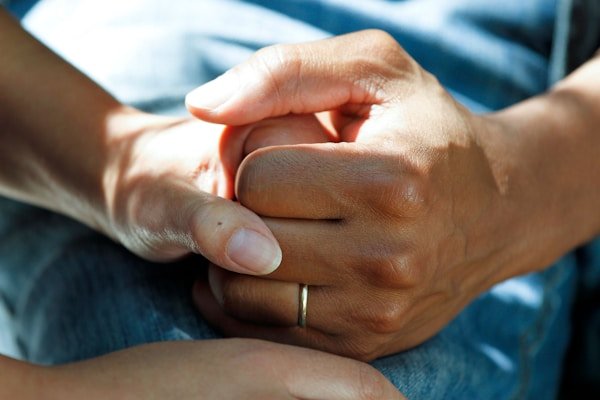
Asthma
## Overview **Asthma** is a chronic inflammatory disease of the airways characterized by **reversible airflow obstruction**, **bronchial hyperresponsiveness**, and **airway remodeling**. It affects approximately **300 million people** worldwide. ## Classification by Severity | Step | Severity | Symptoms | Treatment | |------|----------|----------|----------| | 1 | Intermittent | ≤2 days/week | SABA PRN | | 2 | Mild persistent | >2 days/week | Low-dose ICS | | 3 | Moderate | Daily | Medium ICS + LABA | | 4 | Severe | Throughout day | High ICS + LABA | ## Common Triggers - **Allergens** — Dust mites, pollen, pet dander, mold - **Irritants** — Smoke, pollution, strong odors - **Infections** — Viral upper respiratory infections - **Exercise** — Especially in cold, dry air - **Medications** — Aspirin, NSAIDs, beta-blockers ## Key Management Principles 1. **Controller medications** — Daily anti-inflammatory therapy 2. **Reliever medications** — Quick-relief for acute symptoms 3. **Trigger avoidance** — Environmental control measures 4. **Action plan** — Written plan for self-management 5. **Regular monitoring** — Peak flow, spirometry > Asthma control, not severity, should drive treatment decisions. A well-controlled asthma patient on Step 4 therapy has better outcomes than an uncontrolled patient on Step 2.

Atopic Dermatitis
## What is Atopic Dermatitis? Atopic dermatitis (eczema) is a chronic inflammatory skin condition that causes **dry, itchy, and inflamed patches** of skin. It typically begins in childhood and is associated with a family history of allergies, asthma, or hay fever. ## Common Symptoms - Intense itching, especially at night - Red to brownish-gray patches on hands, feet, ankles, wrists, neck, and eyelids - Small, raised bumps that may leak fluid when scratched - Thickened, cracked, or scaly skin ## Treatment Approaches ### Topical Therapies 1. **Corticosteroid creams** — first-line treatment for flare-ups 2. **Calcineurin inhibitors** (tacrolimus, pimecrolimus) — for sensitive areas 3. **PDE4 inhibitors** (crisaborole) — newer non-steroidal option ### Systemic Therapies - **Dupilumab** — biologic targeting IL-4/IL-13 for moderate-to-severe cases - **JAK inhibitors** — oral medications for refractory disease ### Lifestyle Management - Daily moisturization with fragrance-free emollients - Identifying and avoiding personal triggers - Wearing soft, breathable fabrics - Stress management techniques > **Important:** Consult a dermatologist if over-the-counter treatments are not providing relief after 2 weeks.

Chronic Kidney Disease
## Understanding Chronic Kidney Disease Chronic kidney disease (CKD) is a progressive condition where the kidneys gradually lose their ability to filter waste and excess fluids from the blood. It affects approximately **10% of the global population**. ## Stages of CKD | Stage | GFR (mL/min) | Description | |-------|-------------|-------------| | 1 | ≥90 | Normal function with mild damage | | 2 | 60-89 | Mild decrease in function | | 3a | 45-59 | Mild to moderate decrease | | 3b | 30-44 | Moderate to severe decrease | | 4 | 15-29 | Severe decrease | | 5 | <15 | Kidney failure | ## Risk Factors - **Diabetes** (leading cause, ~40% of cases) - **Hypertension** (~30% of cases) - Family history of kidney disease - Age over 60 - Obesity ## Management ### Medications - ACE inhibitors or ARBs for blood pressure - SGLT2 inhibitors (dapagliflozin, empagliflozin) - Phosphate binders in advanced stages ### Diet - Low sodium (<2g/day) - Protein restriction in later stages - Potassium and phosphorus management > **Early detection is key.** Regular screening with blood creatinine and urine albumin tests can catch CKD before symptoms appear.

Diabetes Mellitus Type 2
## Type 2 Diabetes Mellitus Type 2 diabetes is a **chronic metabolic disorder** characterized by insulin resistance and relative insulin deficiency, leading to elevated blood glucose levels. ## Diagnostic Criteria - **Fasting plasma glucose** ≥ 126 mg/dL - **HbA1c** ≥ 6.5% - **2-hour plasma glucose** ≥ 200 mg/dL during OGTT - Random glucose ≥ 200 mg/dL with symptoms ## Treatment Algorithm ### First Line 1. **Lifestyle modifications** — diet, exercise, weight management 2. **Metformin** — remains gold standard initial therapy ### Second Line (add-on) - **SGLT2 inhibitors** — cardiovascular and renal benefits - **GLP-1 receptor agonists** — weight loss benefits - **DPP-4 inhibitors** — weight neutral option ### Advanced - **Basal insulin** when oral agents insufficient - **Combination insulin regimens** for complex cases ## Monitoring Goals - HbA1c < 7% (individualized) - Blood pressure < 130/80 mmHg - LDL cholesterol < 100 mg/dL - Annual eye, foot, and kidney screening > **Prevention:** 150 minutes/week of moderate exercise and 5-7% weight loss can reduce diabetes risk by **58%** in pre-diabetic patients.

Gastroesophageal Reflux Disease
## Overview GERD is a chronic condition where **stomach acid frequently flows back** into the esophagus, causing irritation. ## Common Symptoms - **Heartburn** — burning sensation in the chest - **Regurgitation** — sour taste in the mouth - **Dysphagia** — difficulty swallowing ## Risk Factors | Factor | Risk Level | Notes | |--------|-----------|-------| | Obesity | High | Increases abdominal pressure | | Smoking | Moderate | Weakens LES | | Pregnancy | Temporary | Hormonal changes | > GERD affects approximately **20% of adults** in Western countries. ## Management 1. Lifestyle modifications 2. Proton pump inhibitors 3. Surgical intervention (severe cases)

Hypertension
## Overview Hypertension is **persistently elevated blood pressure** that increases the risk of heart disease, stroke, and kidney failure. ## Classification | Stage | Systolic | Diastolic | |-------|----------|-----------| | Normal | <120 | <80 | | Elevated | 120-129 | <80 | | Stage 1 | 130-139 | 80-89 | | Stage 2 | ≥140 | ≥90 | ## Risk Factors - **Modifiable** — diet, exercise, smoking, alcohol - **Non-modifiable** — age, genetics, race - **Contributing** — stress, sleep apnea, kidney disease > Known as the **"silent killer"** because it often has no symptoms until organ damage occurs. ## Treatment Approach 1. DASH diet and sodium restriction 2. Regular aerobic exercise 3. Pharmacotherapy (ACE inhibitors, ARBs, diuretics)
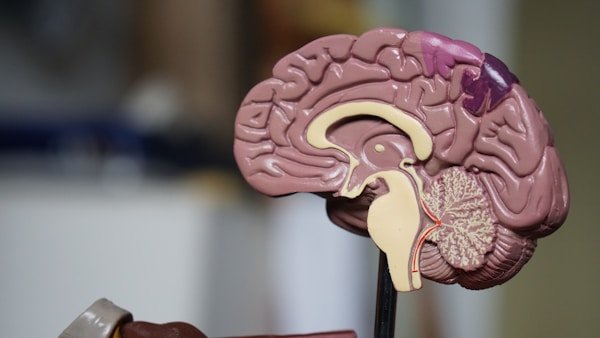
Hypothyroidism
## Overview Hypothyroidism occurs when the **thyroid gland produces insufficient hormones**, slowing metabolism throughout the body. ## Symptoms - **Fatigue** — persistent tiredness and lethargy - **Weight gain** — unexplained increase despite normal diet - **Cold intolerance** — feeling cold when others are comfortable - **Dry skin** — rough, scaly patches ## Diagnosis | Test | Normal Range | Hypothyroid | |------|-------------|-------------| | TSH | 0.4-4.0 mIU/L | Elevated | | Free T4 | 0.8-1.8 ng/dL | Low | | Free T3 | 2.3-4.2 pg/mL | Low | > **Hashimoto's thyroiditis** is the most common cause in iodine-sufficient countries. ## Treatment 1. Levothyroxine replacement therapy 2. Regular TSH monitoring 3. Dosage adjustment every 6-8 weeks

Major Depressive Disorder
## Overview **Major Depressive Disorder (MDD)** is a serious mood disorder characterized by persistent feelings of sadness, hopelessness, and loss of interest in activities. It affects approximately **280 million people** worldwide. ## Diagnostic Criteria (DSM-5) ≥5 of the following for **≥2 weeks**, including at least one of the first two: 1. **Depressed mood** most of the day 2. **Anhedonia** — diminished interest or pleasure 3. Significant **weight change** (>5% in a month) 4. **Insomnia** or hypersomnia 5. Psychomotor agitation or retardation 6. **Fatigue** or loss of energy 7. Feelings of worthlessness or guilt 8. Difficulty concentrating 9. Recurrent thoughts of **death or suicidality** ## Treatment Options | Approach | Examples | Evidence | |----------|----------|----------| | Psychotherapy | CBT, IPT, MBCT | Strong | | SSRIs | Sertraline, Escitalopram | Strong | | SNRIs | Venlafaxine, Duloxetine | Strong | | Atypical | Bupropion, Mirtazapine | Moderate | | Neuromodulation | TMS, ECT | Moderate-Strong | ## Risk Factors - **Genetics** — 2-3x risk with first-degree relative - **Trauma** — Childhood adversity, abuse - **Medical** — Chronic illness, hormonal changes - **Social** — Isolation, poverty, relationship problems > MDD is a leading cause of disability worldwide. Early treatment significantly improves outcomes, with 60-70% of patients responding to first-line therapy.
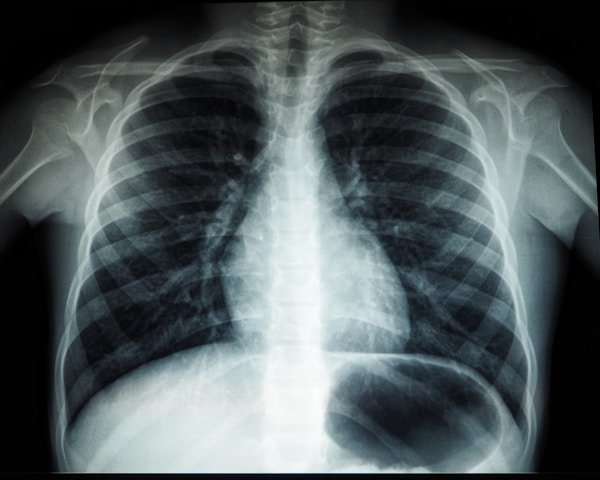
Migraine
## Overview **Migraine** is a complex neurological disorder characterized by recurrent episodes of **moderate-to-severe headache**, typically unilateral and pulsating, often accompanied by nausea, vomiting, and sensitivity to light and sound. ## Types ### Migraine Without Aura (75%) - Unilateral pulsating headache - Duration: **4-72 hours** - Aggravated by physical activity ### Migraine With Aura (25%) - Visual disturbances (zigzag lines, scotomas) - Sensory symptoms (tingling, numbness) - Aura duration: **5-60 minutes** ## Phases of a Migraine Attack | Phase | Duration | Symptoms | |-------|----------|----------| | Prodrome | Hours-days | Mood changes, cravings, yawning | | Aura | 5-60 min | Visual/sensory disturbances | | Headache | 4-72 hrs | Pain, nausea, photophobia | | Postdrome | 24-48 hrs | Fatigue, cognitive fog | ## Treatment ### Acute - **Triptans** — Sumatriptan, rizatriptan (first-line) - **NSAIDs** — Ibuprofen, naproxen - **Anti-emetics** — Metoclopramide ### Preventive (≥4 attacks/month) - **Beta-blockers** — Propranolol - **Anticonvulsants** — Topiramate, valproate - **CGRP inhibitors** — Erenumab, fremanezumab (newer) - **Botox** — For chronic migraine > CGRP monoclonal antibodies represent the first migraine-specific preventive therapy, offering significant reduction in monthly migraine days with minimal side effects.
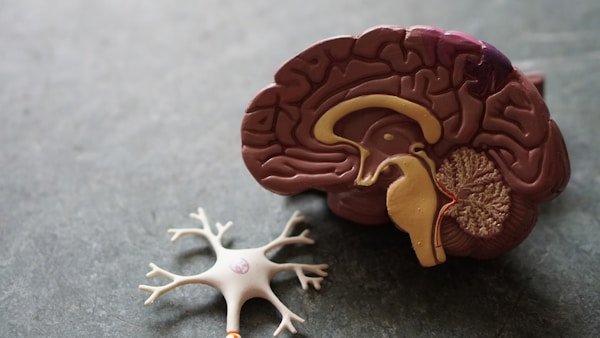
Osteoarthritis
## Overview **Osteoarthritis (OA)** is the most common form of arthritis, affecting over **500 million people** globally. It involves progressive degradation of joint cartilage and underlying bone, leading to pain, stiffness, and functional limitation. ## Pathophysiology 1. **Cartilage breakdown** — Loss of proteoglycans and collagen 2. **Subchondral bone changes** — Sclerosis and osteophyte formation 3. **Synovial inflammation** — Low-grade inflammatory response 4. **Joint space narrowing** — Progressive structural change ## Most Affected Joints | Joint | Prevalence | Impact | |-------|-----------|--------| | Knee | 35-40% | Mobility limitation | | Hip | 10-15% | Gait disturbance | | Hand (DIP/PIP) | 25-30% | Fine motor tasks | | Spine | 40-85% | Back pain, radiculopathy | ## Risk Factors - **Age** >50 years - **Obesity** — BMI >30 (strongest modifiable risk) - **Joint injury** — Prior trauma or surgery - **Genetics** — 40-65% heritability - **Female sex** — Higher risk after menopause ## Management Approach - **Non-pharmacologic**: Weight loss, exercise, physical therapy - **Pharmacologic**: NSAIDs, acetaminophen, intra-articular injections - **Surgical**: Joint replacement when conservative measures fail > Weight loss of just 5-10% significantly reduces knee pain and improves function in overweight patients with knee OA.